
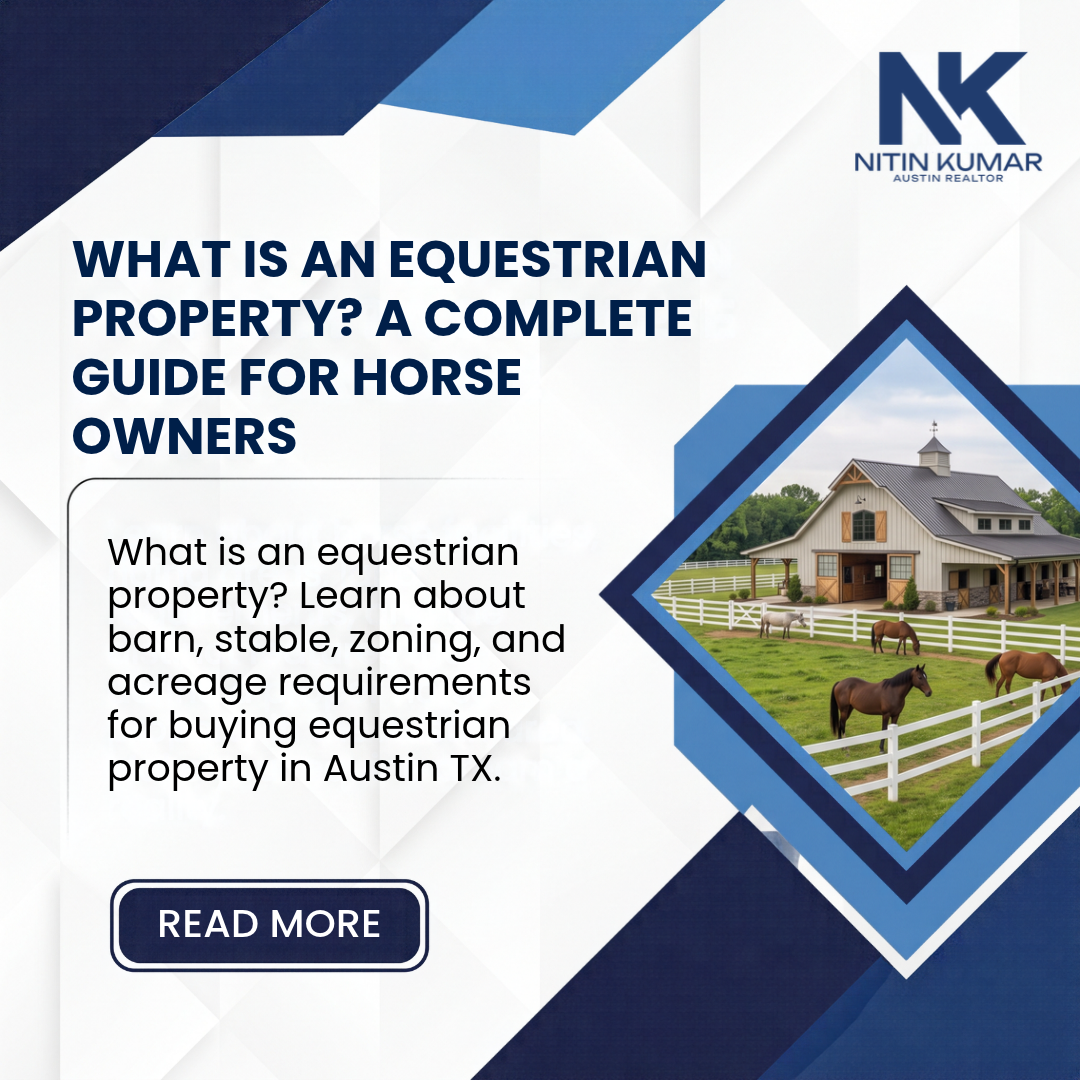
Not every property with a field is meant to qualify and not every buyer who loves horses knows what to actually look for when they start the search.
What is an equestrian property is a certain question that seems simple on the surface, but it can open into a detailed set of land, facilities, zoning and infrastructure requirements that can make this one of the most specified categories in the real estate market. And here is what you need to know before you start looking.
Equestrian Properties: The Definition
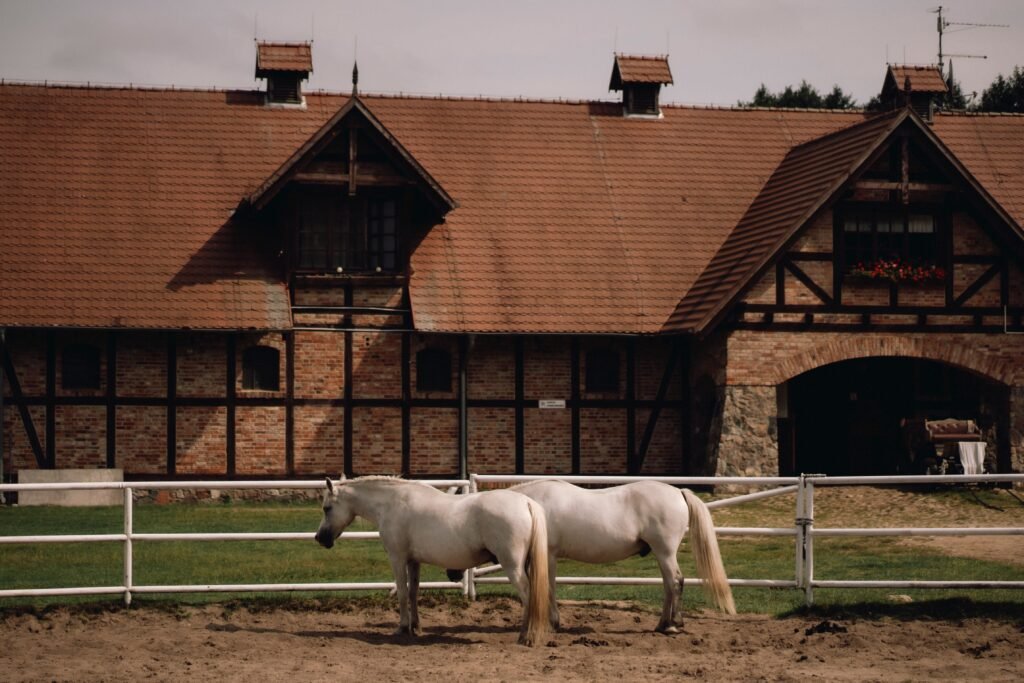
So, what is an equestrian property? An equestrian property is any land or estate that is particularly designed, equipped or suitable for keeping, training or even riding horses. And this can cover a wide range, be it a modest rural home with a barn and a few paddocks, or a full equestrian estate with a competition arena, multiple stable blocks as well as direct access to riding trails.
What separates an equestrian property from a day to day, regular, rural property is the combination of infrastructure, land quality along with zone classification. This is what makes it genuinely functional for horse keeping.
A house with acreage does not automatically qualify. The soil has to be right. There should be drainage systems, layouts and facilities in place for the property to actually work.
Buying an Equestrian Property: What to Look For
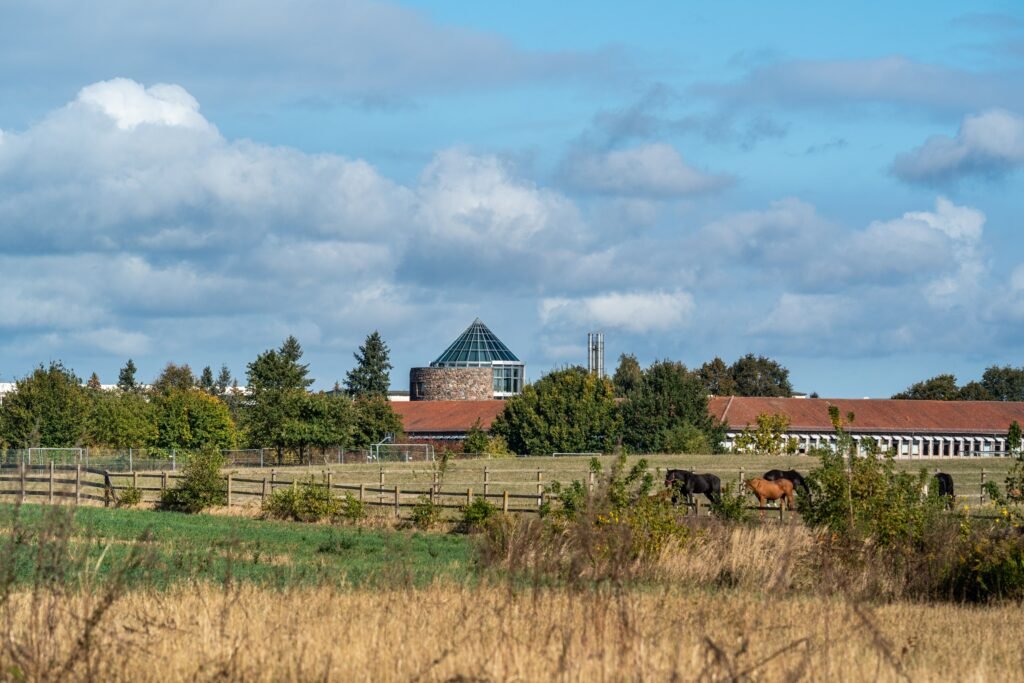
Buying an equestrian property is not as simple as finding a land that has enough space because every element of the property’s layout can affect the daily horse management system.
Barn and Stabling
The barn is the main piece of any working horse property and a well-designed horse barn can give proper ventilation, safe footing, along with enough room to function in an efficient manner. Each stall should meet adequate stall size requirements for your breed, which is typically 12 x 12 feet minimum for most horses. A feed room along with a secure tack room should always be integrated into the barn layout. Tack and feed storage that’s dry, secure and accessible from the barn can amp down daily friction in a significant way.
Pasture and Turnout
Next is pasture and turnout. Pasture quality can help determine how well your horses graze and how much supplementary feed you actually need all through the year. A general guide is two acres per horse as a starting point though this can vary with grass quality and number of horses. Turnout areas and turn out scheduling matter as much as total acreage because well-separated paddocks with proper fencing can amp down herd management stress in a considerable manner.
Arena
A dedicated arena that is meant for training and exercise can be a major value add-on for any equestrian property. Be it an outdoor sand arena or a covered facility, you must look for properties where the arena surface is free-draining to remain usable when there are wet conditions.
Water Source
A reliable water source is absolutely crucial and non-negotiable because horses consume 5 to 10 gallons of water on a daily basis depending on their size, workload and climate. Running water to the barn with waterers in stalls and paddocks is the practical standard. Make sure to check water access capacity, well output if applicable and whether the property’s infrastructure can support the number of horses that you need to keep.
Zone, Acreage, and Legal Considerations
Before you fall in love with a property, you need to make sure to check the local zone classification. Local zoning rules tend to dictate how many animals you can actually keep, what structures you can build in your property and whether any equestrian business activity is permitted on the site.
Agricultural zoning and rural residential zoning can carry different allowances and some Austin neighborhoods also restrict commercial equestrian use entirely. This is one of the most commonly overlooked factors when someone buys equestrian property and one of the most costly ones to discover after the fact.
Make sure you check whether the property is classified for equine use before making an offer. A plan to build additional stable capacity or an indoor arena also needs to clear local planning regulations.
Horse Ownership and Daily Life on an Equestrian Property
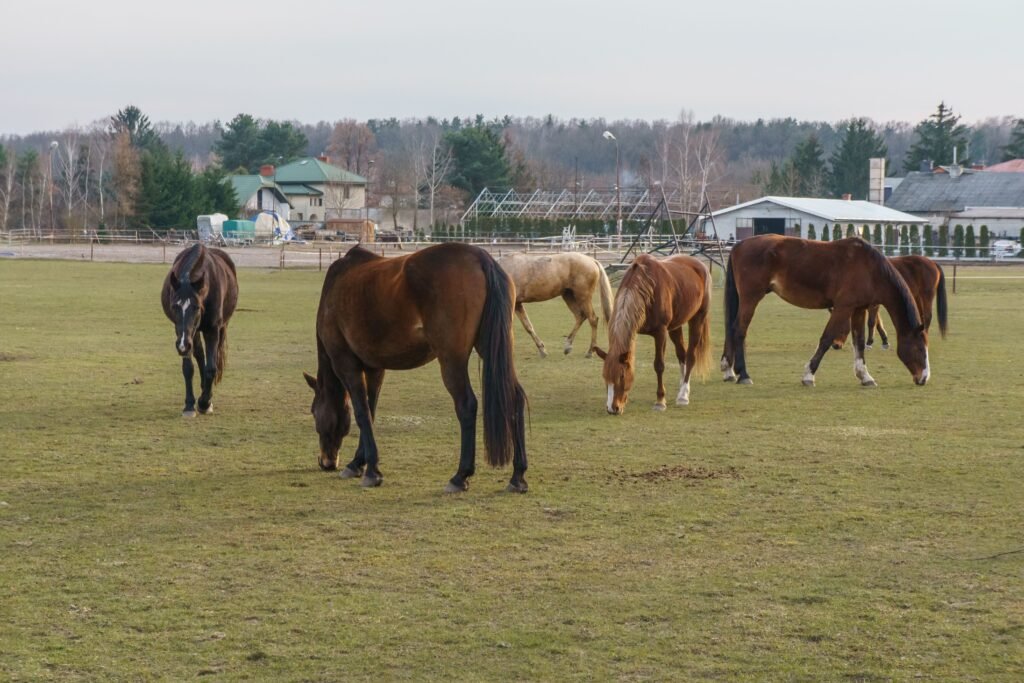
Owning a horse property can change your day-to-day life significantly because the commute from the house to the horse barn can happen multiple times a day. The property layout, especially the distance from the house to the horses from the house can affect how manageable horse care is in early mornings, bad weather and in times of emergencies.
Horse owners also need to think about & take into account:
- Graze rotation to maintain pasture quality long term,
- Turnout management across seasons,
- Storage places for hay, bedding and equine supplies,
- A space for horse trailers and sufficient horse standing for maneuvering,
- Separation of horse stalls for horses that don’t get on.
Equestrian activities on the property, be it for personal riding, training or equestrian sport can shape what facilities you actually need. A property that works for a casual horse owner may differ in a major way from one designed to support competitive riding or an equestrian business.
Also Read: Best Towns Around Austin TX
Conclusion
When you question what is an equestrian property, the answer ultimately comes down to looking for a property that provides land, infrastructure, zoning, functionality and access that makes horse ownership a genuinely sustainable part of daily life and provides room for your equestrian interest to grow.
The right equestrian property is specific to the number of horses that you want to keep, your equestrian goals and your budget and finding the right one takes expertise.
So, are you considering buying an equestrian property in the Austin area? You can find your dream equestrian property with the right support of a local expert who actually understands both the Texas land market along with the specific requirements of horse keeping.
At Nitin Austin Realty, we have helped owners and buyers of house properties across the Austin metro find the perfect property that genuinely works for their lifestyle and long-term goals. Contact us today to connect with our real estate specialist.
Frequently Asked Questions
How many acres does one actually need for an equestrian property?
Well, a general starting point is around 2 acres per horse, though this can vary based on the pasture quality, grass coverage, as well as how much of the land is actually usable for grazing versus facilities.
What zoning does one need to keep horses in Texas?
Agricultural or rural residential zoning typically allows horse keeping, but the specific numbers of animals permitted and any commercial equestrian use restrictions can vary from county to county, so it is always smart to verify before purchasing.
Does equestrian property cost more than the regular rural properties in the area?
Generally, yes, they do because specialized infrastructure like barns, arenas, stables etc. can add a significant value.