

Before you sign up for anything, there is one step every buyer should actually take in a serious note and that is having a professional home inspection. It is one of the smartest investments you can make in the entire home buying journey.
But how much is a home inspection in Texas – generally depends on a range of factors. Knowing those factors upfront can help you save your budget properly while avoiding expensive surprises after closing, especially regarding the home inspection cost in Austin.
Average Home Inspection Cost in Texas
A home inspection provides peace of mind.
The average home inspection cost in TX typically falls around $300* to $675* for most single-family residential properties. This range can vary based on home size, age, location, as well as what add-on services you tend to include. Here is a general breakdown of home inspection prices by square footage:
- Small Texas homes that are under 1000 sq. ft can roughly cost around 200*-350*.
- Medium single-family homes that fall between 1000-2000 sq. ft. often have varying home inspection prices based on their condition & can cost around 300*-450*.
- Large homes between 2000-3000 sq. ft can approximately cost you 400*-550*.
- And lastly, very large homes that are over 3000 ft can cost you $500+*.
In the area of Central Texas and especially in the Austin home market, you can expect the pricing to be around the mid to upper end of those ranges. Austin’s cost of living and demand for professional home inspection services push the prices higher than smaller Texas cities.
Factors That Affect Home Inspection Cost
When you are wondering “how much is a home inspection in Texas”, you must keep these factors in mind as they can affect the pricing.
Home Size and Property Type
There are several factors that determine the amount that you are expected to pay. Larger homes can take more time. An inspector that has to walk through a 4,000 square feet property will definitely charge you more as compared to covering a compact townhome. Home size is one of the most primary drivers of inspection pricing across the board.
Age Of The Home
Older homes can carry more risk. For example, 1980s homes may often include outdated wiring, original plumb lines, and aged HVAC system components, along with foundation concerns. A licensed Texas inspector will spend hours time evaluating these major systems and the pricing reflects that.
Foundation Type
Austin sits on clay soil and is notoriously problematic when it comes to slab foundations. Foundation issues are one of the most common and one of the most costly finds in central Texas. An inspector in Austin who is familiar with local conditions is more likely to catch early warning signs than a generalist.
Experience and Certification
A certified home inspector with the Texas Real Estate Commission credentials or the TREC licensing typically charges a premium. This premium is, however, worth it. Standards of practice set by the TREC define the minimum scope of every general inspection in the state. Opting for a licensed professional can protect you legally and practically.
Location Within Texas
Northern markets like Austin carry higher inspection fee averages than the rural areas. The pricing of an inspector in Texas in smaller markets can run around $50-100 lower for equivalent homes.
Standard Texas Home Inspection – What’s Included
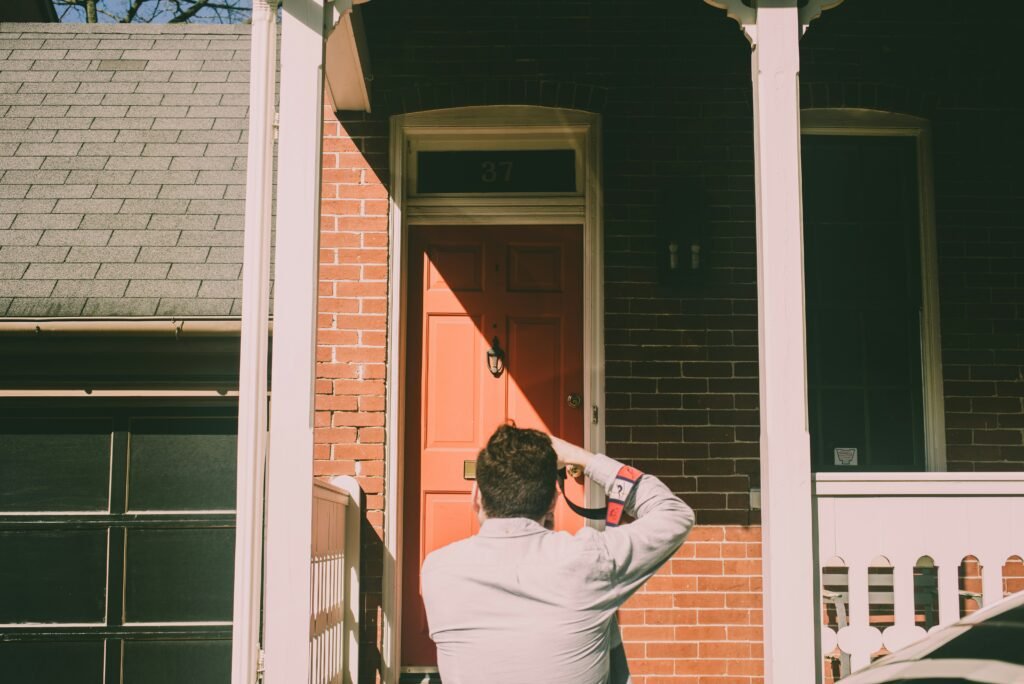
A standard inspection process covers the full interior and exterior of the property, whereas a general home inspection in Texas under TRAC standards of practice typically includes:
- Any structural components including roof structure, framing and structural integrity,
- Foundation along with grading,
- Roofing systems and the attic,
- Electrical systems, plumb and drainage systems,
- Systems that include heating and cooling(HVAC)’
- Inspection covers windows, doors, walls, floors and ceilings along with built-in appliances as well.
The inspection report is usually delivered within 24 hours and includes photographs, descriptions along with notes on the major systems that need your attention. The inspection findings in the report can give you a documented leverage either to negotiate repair costs or walk away from a bad deal.
Add-On Services and Their Costs
Then there are add-on services. The standard home inspection in Austin is the baseline. Inspectors offer a range of specialized tests that matter depending on the property and the location. Services like radon, termite inspections and sewer scope testing are the most commonly added ones.
- Radon is an odorless gas that can accumulate. It is something that can accumulate in homes especially in certain soil types the test can run around 125* to 175* dollars
- Then there’s the sewer scope – a thorough inspection of the underground drain line is included in the sewer test, which is especially valuable for older homes and can cost around 150* to 295* dollars.
- There’s termite inspection, also called a wood destroying insect (WDI) report, and the average cost can range from 75* to 150* dollars.
- There is also the septic inspection which is essential if the property uses a septic system rather than a municipal sewer. The cost can vary typically between 150* dollars to 300* dollars.
- Then there’s thermal imaging where infrared scanning is used to detect moisture, heat loss or hidden electrical issues and it can cost around $75* to $150* as an add-on.
Based on the size as well as the age of the Austin room you are purchasing, adding two or three of these services is common. Budget for them upfront rather than being surprised when the inspector recommends them during their testing.
Is a Home Inspection Worth the Cost?
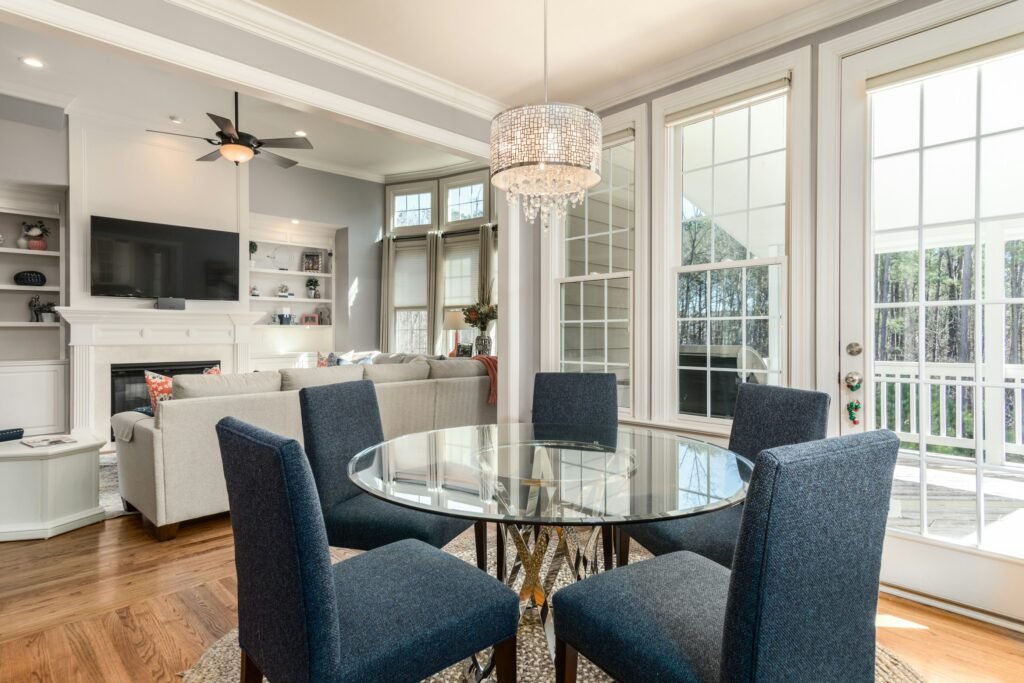
The short answer is a definite yes. Austin home inspection typically covers problems that sellers may not even know that they exist. Inspection identifies issues that can range from minor deferred maintenance to very serious structural or safety deficiencies.
A strong inspection report can give you leverage to request repairs, credits or a price reduction. Buyers and sellers, both parties benefit from the transparency. Inspection results that tend to reveal significant issues can give buyers and sellers a documented basis for renegotiation.
The inspection findings can protect you from costly repairs after you have already moved in & when there’s no one left to negotiate with.
It also helps you budget for ownership. Even when a property is in solid condition, the inspection report can flag systems nearing end of life, like HVAC systems, water heaters, and roof covering, which can affect the average cost of repairs. This helps you budget for what’s coming in the next 5 years rather than being caught off guard.
In Austin’s competitive market, skipping the home inspection is more or less a gamble. Surprises after closings are more expensive than the inspection fee. So. make sure to protect your investment.
Conclusion
So, if you have been wondering how much is a home inspection in Texas, then you might have realized that the actual answer comes down to your home’s size, age, location as well as the scope of services you may choose.
For most Austin home buyers, the cost of a home inspection is within a few hundred dollars, which is a fraction of what inspection findings can save you in negotiated repairs or avoid costly repairs after closing.
Buying a home is one of the biggest financial decisions that you will ever make in your life and a professional home inspection is one such step that can make your decision informed. So, make sure to never skip it.
At Nitin Austin Realtor, we can help buyers understand every step of the home buying process, be it inspections, permits & more. So, if you are trying to purchase a home in Austin, Texas, then having the right team by your side can mean you get no expensive surprises. Contact our expert team today to get started with your home buying journey in Austin.
Frequently Asked Questions
Who actually pays for the home inspection in Texas?
The buyer almost always tends to pay for the home inspection because it is rarely covered by the seller and is not typically included in closing costs.
Can you attend your home inspection?
Yes, and you should try to do so. Attending will help you ask inspector questions directly and understand the inspection findings in real time.
Is a home inspection actually required by law in Texas?
It’s not always legally required but virtually every lender and experienced real estate agent will strongly recommend you before closing in on any property.