

For Austin homeowners as well as those across Texas, a house is much more than a mere residence; it is a significant financial investment. Safeguarding that investment from all sudden disasters is a top-notch priority, which generally results in one of the most important questions a homeowner can wonder about: Does homeowners insurance cover fire?
The short and simple answer is – yes. The majority of standard homeowners insurance policies provide solid protection against sudden, accidental fires. However, smoothly navigating the precise details of dwelling coverage, limits of personal property, and potential exclusions of the policy is crucial to make sure you are completely protected.
In our in-depth guide, we shed light on everything you must know about fire damage as well as your insurance policy.
What Fire Damage is Covered By Homeowners Insurance
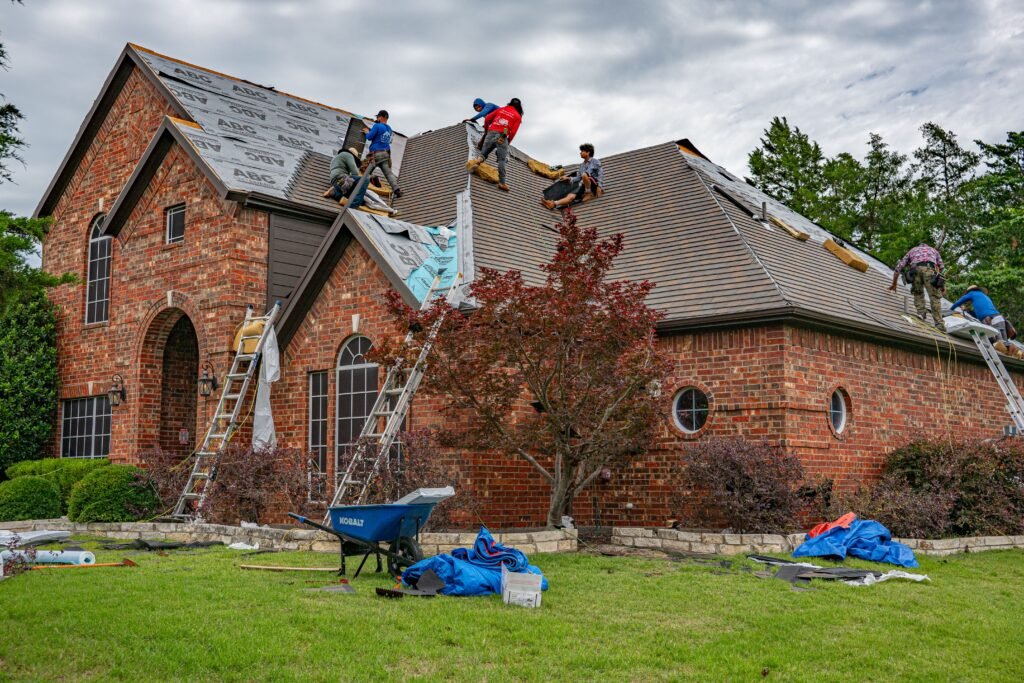
When a sudden, unexpected fire strikes, a generic homeowners policy usually steps in to cover numerous aspects of your property as well as livelihood. Here is a detailed breakdown of the generic protections:
- Dwelling Coverage (Coverage A): This form of coverage covers the charges for repairs and fully reconstructs your home’s physical structure – like the roof, walls, floors, as well as the built-in fixtures – if it is damaged or destroyed by a form of covered fire.
- Other Structures (Coverage B): This form of coverage safeguards your property’s detached structures. For instance, if a fire destroys a solo or standalone garage, shed, fence, or gazebo, your homeowners policy will generally cover the rebuilding expenses.
- Personal Property (Coverage C): Damage caused by a fire does not only affect the building. This form of coverage aids repair or replace your personal items, like furniture, clothing, electronics, as well as appliances. (Note: Items that have high-value, such as fine-jewelry or rare collectibles generally have sub-limits and might need extra scheduled endorsements for complete coverage).
- Additional Living Expenses or Loss of Use (Coverage D): If a serious fire renders your property fully uninhabitable, ALE (Additional Living Expenses) coverage will pay off for your temporary arrangements for living. This encompasses hotel bills, apartment rentals, elevated food expenses (such as restaurant meals), and even boarding of pets while your property is being repaired.
- Personal Liability (Coverage E): In the case of an accidental fire starting on your property and then spreading to the home of a neighbour, or if someone gets injured, your liability coverage can aid in covering up the legal as well as repair expenses you are legally responsible for.
- Landscaping: Numerous standard policies also provide limited reimbursement for plants, shrubs, and trees destroyed due to a fire on the property.
Common Types of Covered Fires
Insurance is specifically designed to safeguard against any sudden, accidental dangers. You can usually expect fire coverage caused due to:
- Cooking & grease mishaps
- Electrical malfunctions, faulty wiring, etc.
- Heating equipment or space heaters
- Thunder or lightning strikes
- Wildfires (very relevant for residents of Texas, though certain high-threat bush area might need supplemental polices or additional endorsements)
- Candle or fireplace mishaps
How Are Claims of Fire Damage Valued?
When you formally file a claim, your final payout amount will depend on the coverage valuation’s type you opted for when building your homeowners policy:
- Actual Cash Value or ACV: This reimburses for the damaged item’s current value, factoring in aspects like age as well as depreciation. It generally leads to lower monthly premiums but means you will have elevated out-of-pocket expenses when replacing the lost items.
- Replacement Cost Value or RCV: This encapsulates the total cost to buy a brand-new replacement item or reconstruct your house at the current market rates, without depreciation’s deductions.
What Fire Damage is NOT Covered?
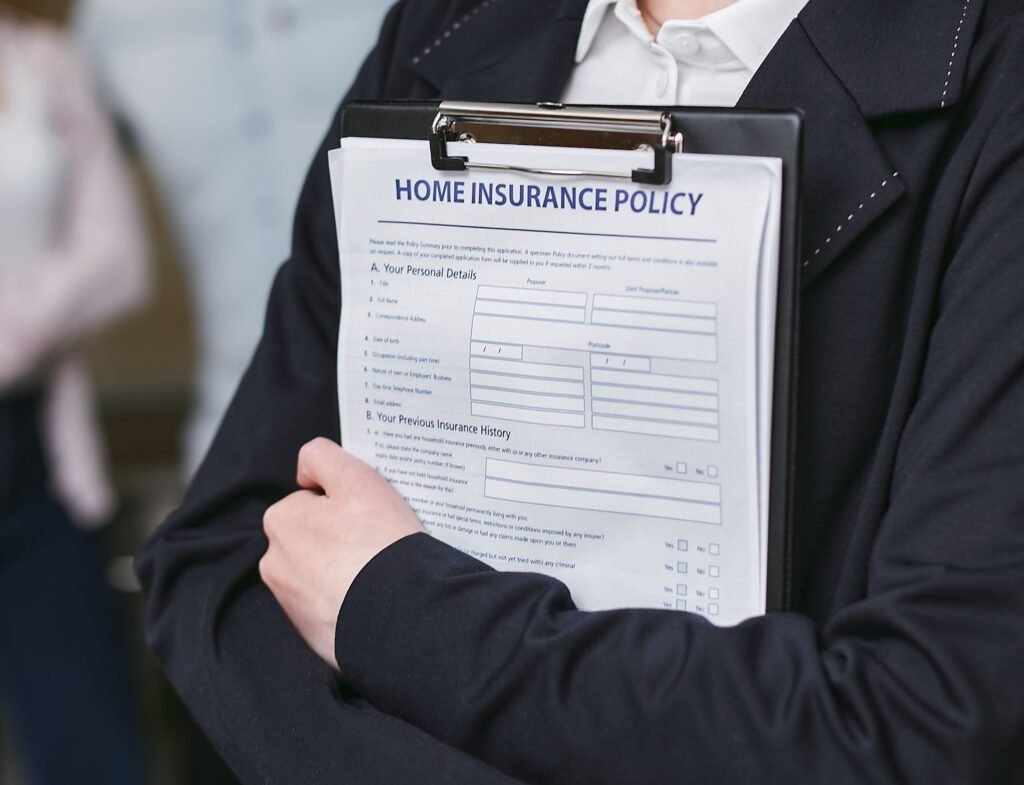
Although standard policies are very well-rounded, there are rigid exclusions you need to aware of in order to avoid any denied claim:
- Intentional Acts or Arson: If you or a member of your household intentionally starts a fire at home, the damage caused due to it will not get covered.
- Neglect & Lack of Maintenance: If a fire takes place because you did not pay heed to a known, ongoing danger, like seriously degraded knob-and-tube wiring or a dirty, clogged chimney – the provider of the insurance can legally deny the claim because of negligence.
- Vacant Properties: Properties that have been left vacant for an extended time (generally more than one month (30 consecutive days)) generally lose standard fire coverage unless a certain vacant home policy is in place.
Immediate Steps to Take After Fire Damage
If you experience a sudden fire, ensure prioritizing your family’s safety first. Once the immediate danger has passed and the authorities have cleared the accident’s scene:
- Properly Document the Resulted Damage: Take multiple images as well as videos of the property and damaged belongings prior to any cleanup’s beginning.
- Get in Touch with Your Insurer: Officially file a claim instantly to begin the procedure and obtain the authorization for emergency repairs (such as boarding up windows).
- Work with the Insurance Adjuster: Be present and aware when the adjuster assesses your property to point out every visible damage and give your home inventory list.
- Keep Every Receipt: Save each receipt for temporary lodgings, food (meals), as well as essential purchases to make sure you get fully reimbursed as per your ALE coverage.
Essential Tips for Fire Prevention
Preventing a fire is always preferable in comparison to filing an official insurance claim. Safeguard your home and potentially bring down your premiums by:
- Installing and frequently testing smoke alarms on each floor as well as inside all sleeping areas.
- Keeping fire extinguishers readily accessible in zones of high-risk such as the kitchen as well as garage.
- Scheduling routine professional inspections for both your electrical systems as well as heating equipment.
- Making and practicing a plan of emergency evacuation with your full household.
Partner With the Most Trusted Real Estate Professional: Nitin Austin Realtor!
Understanding the requirements of your home insurance is just a single part of the complicated real estate journey. Whether you are searching to purchase an elegant new property in the dynamic Texas Real Estate market or looking to sell off your current property for maximum value, having a seasoned, knowledgeable professional beside you makes all the difference.
Nitin Austin Realtor guides clients through each step of the real estate procedure with complete transparency, unwavering dedication, as well as unrivalled local expertise. We make sure our clients not only get hold of the perfect house but also fully understand how to safeguard it.
All set to make your next strategic move? Get in touch with Nitin Austin Realtor to find your dream residence or investment property in Austin!
Frequently Asked Questions (FAQs)
Q. Do homeowners insure provide cover for wildfires in Texas?
A. Yes, generic homeowners insurance generally covers up property damage caused due to wildfires. However, if your house is situated in a designated high-threat wildfire zone, you may be needed to buy a certain endorsement or a different policy (like FAIR plan coverage) in order to remain completely protected.
Q. Will my insurance policy cover temporary housing if my house gets burnt down?
A. Yes. Your policy’s ALE (Additional Living Expenses) or Loss of Use coverage is specifically designed to pay for temporary housing, like a hotel or rented home, like extra food and commuting expenses while your house is being built or repaired.
Q. Does home insurance cover electrical fires?
A. Yes, given the electrical fire was accidental and sudden. However, if the adjuster of the insurance determines the fire was because of your prolonged neglect of a recognized electrical issue or failure to address out-of-date wiring, your provider might deny the claim.